Northern White Rhino
Ceratotherium simum cottoni2 leftNajin and Fatu, both female, live under 24 hour guard at Ol Pejeta in Kenya. Scientists are using stored eggs and IVF to try to bring the subspecies back.
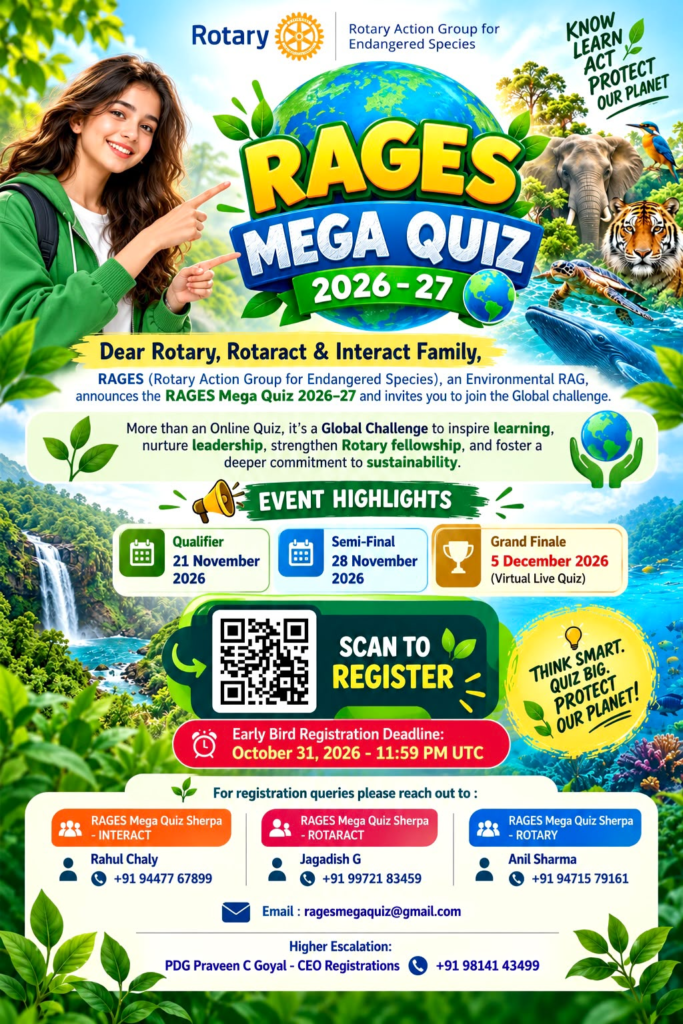
A field guide to life on the edge
Mammals, birds, reptiles, amphibians, fish, corals, insects and plants, on every continent and in every ocean. This is who they are, where they live, and the people working to keep them here.
In memory
Terrell Ann Erickson, Executive Director of the Rotary Action Group for Endangered Species and one of its greatest advocates, passed away in October 2026 in Montana. For more than three decades she devoted her life to conservation and public service, with the U.S. Navy in Guam, the U.S. Army Corps of Engineers in Hawaii, and the USDA Natural Resources Conservation Service, where she served as State Biologist for Hawaii, National Biologist, Director of Science and Regional Conservationist for the Northeastern United States. In retirement she helped restore native forests and wetlands as Vice President of the Friends of Oahu National Wildlife Refuges, and she was a proud member of the Rotary Club of Metropolitan Honolulu.
We remember her warmth, her generosity and her steadfast commitment to Service Above Self. Our hearts are with her husband, Dr. Christopher Puttock, Chair of RAGES, and with her family and friends. Her legacy lives on in every wetland restored and every species protected.
One from every continent
Population figures are recent published estimates and change as new surveys come in.
Najin and Fatu, both female, live under 24 hour guard at Ol Pejeta in Kenya. Scientists are using stored eggs and IVF to try to bring the subspecies back.
Every one lives in a single park, Ujung Kulon on the western tip of Java, Indonesia. One disease, tsunami or poaching gang could end the species.
Gone from most of Europe. Small pockets survive in Spain, France and Romania and Russia’s rivers, squeezed by habitat loss and the invasive American mink.
The world’s smallest porpoise lives only in Mexico’s upper Gulf of California. It drowns in illegal gillnets set for totoaba fish.
Found only in the palm islands of Bolivia’s Beni savannas. Trapped for the pet trade and short of nesting palms.
A flightless, night active parrot from New Zealand. Every living bird is named, tracked and kept on predator free islands.
It breeds on sea ice that is melting early. Whole colonies have lost every chick in bad years. Listed as Threatened under the US Endangered Species Act.
Once among the most common large animals on Earth. Numbers have crashed across the tropics, driven by the fin trade and longline bycatch.
Launching at Half EarthX · October 22, 2026
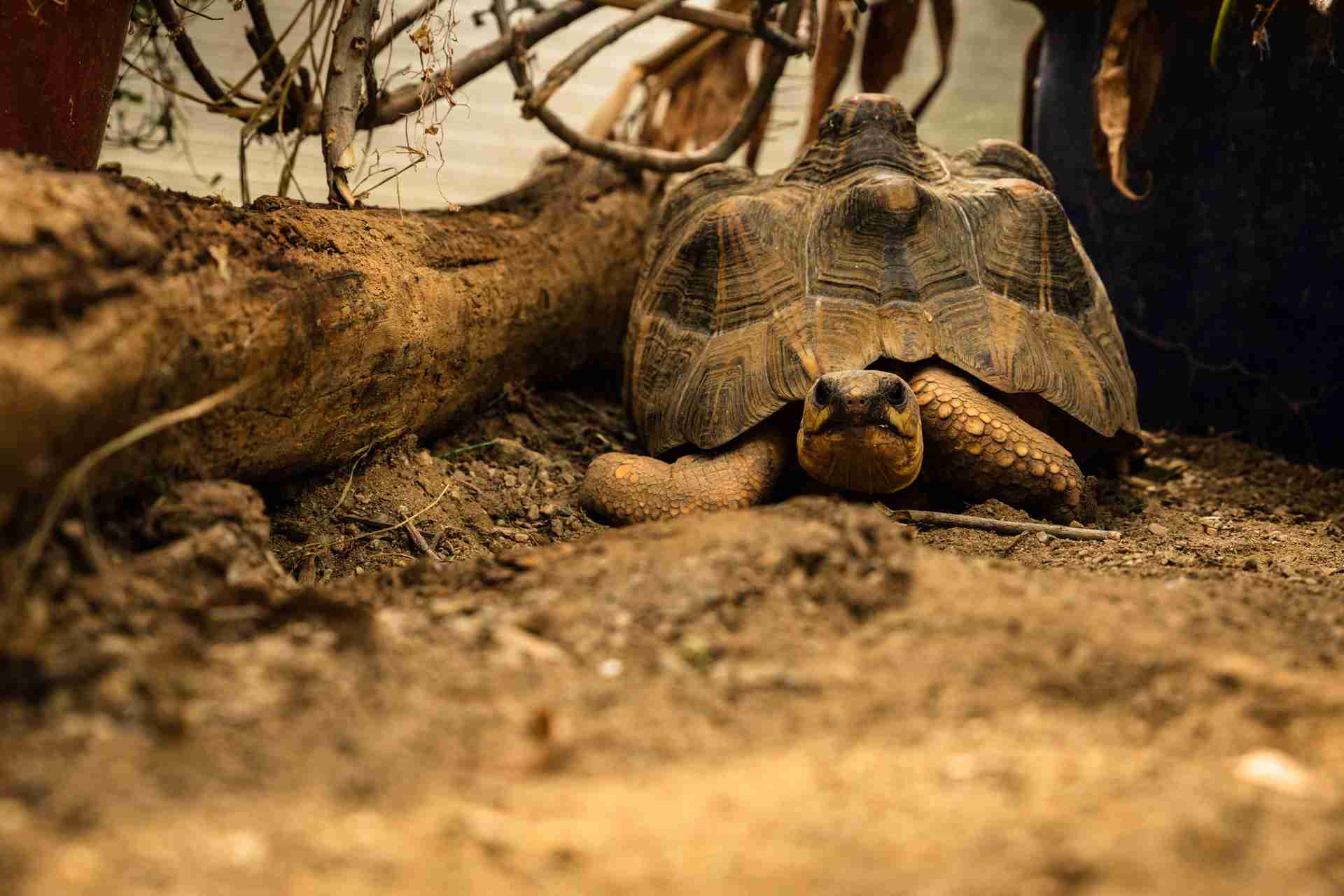 Photo: Turtle Island
Turtle-Island.org · Graz, Austria and Atlanta, USA
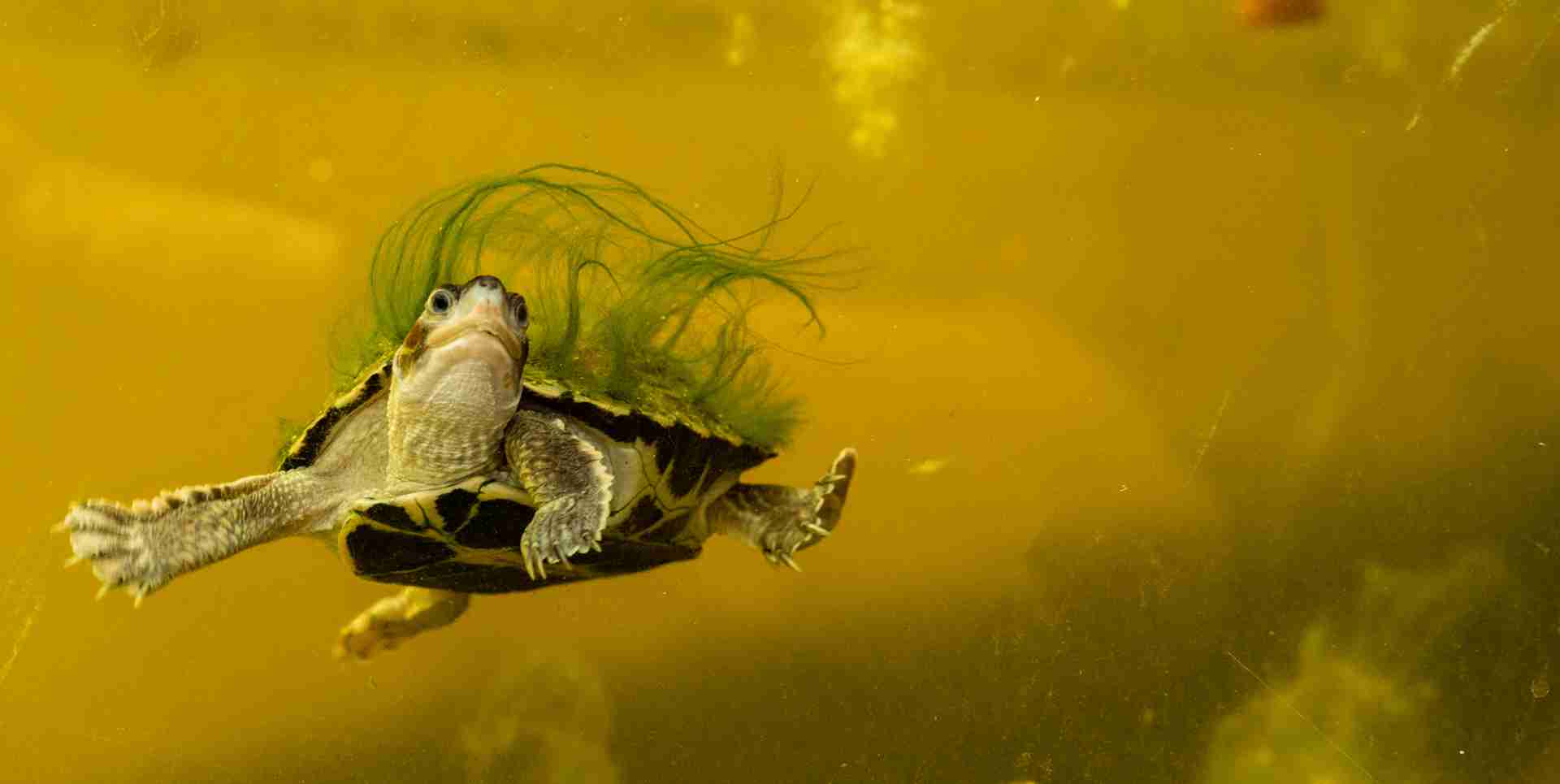
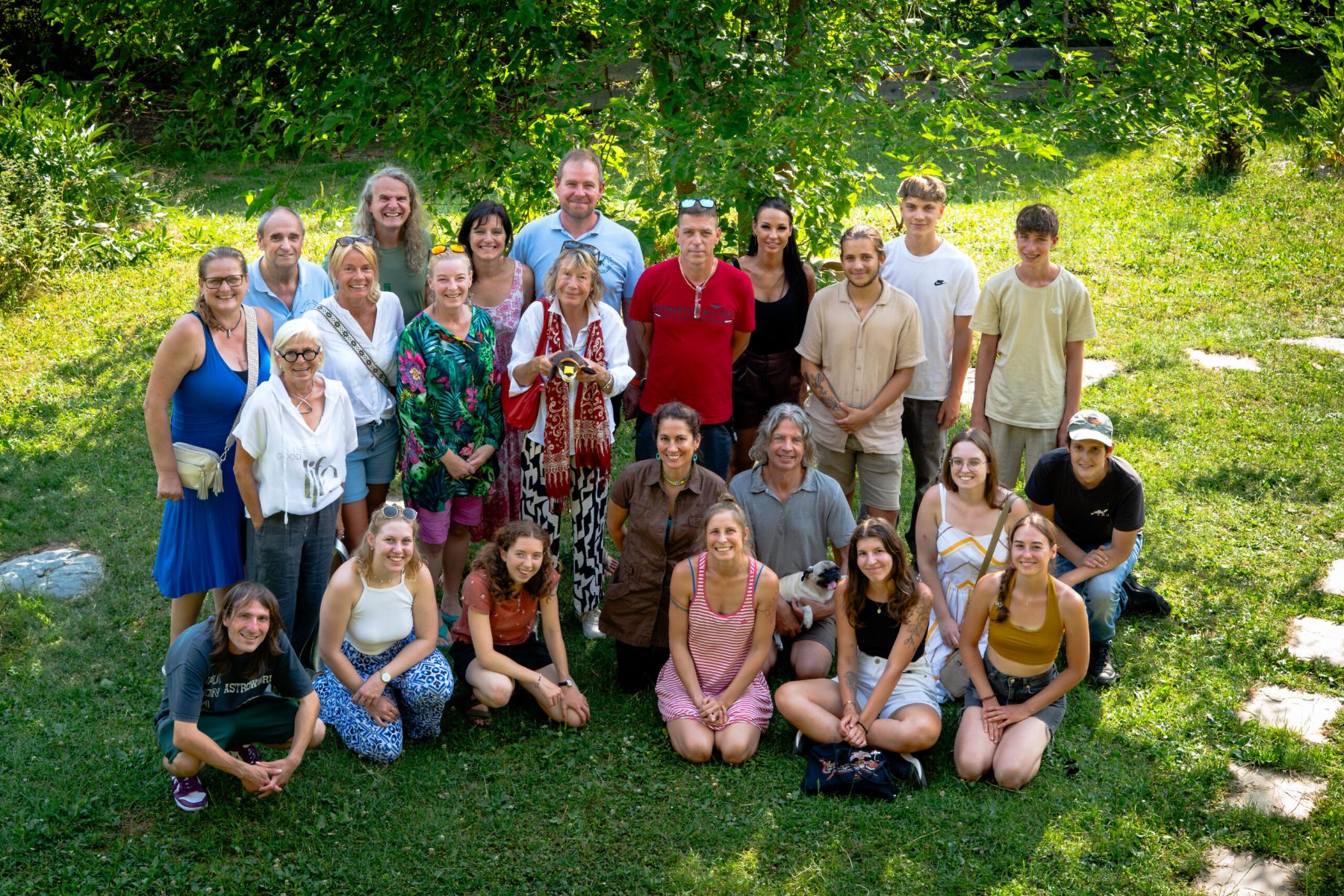
Turtle Island began with one person. Peter Praschag grew up surrounded by turtles, carried on his father’s work, and has traveled the world as a turtle scientist ever since. Since founding Turtle Island in 2013, he and a growing team have built four conservation centers in Austria, one of them in his own childhood home. Today they care for more than 2,500 turtles, making Turtle Island the most species-rich turtle ark in the world.
At home the team cares for rescued animals, studies turtle genetics and runs conservation breeding. In the field they find, study and restore wild populations, including critically endangered river turtles like the Northern River Terrapin (Batagur baska). The long-term goal is to return captive-bred turtles to the wild in their home countries.
Turtle Island also runs the ARCO Nepal and Biodivertis initiatives and is planning The Dome, a research and conservation zoo.
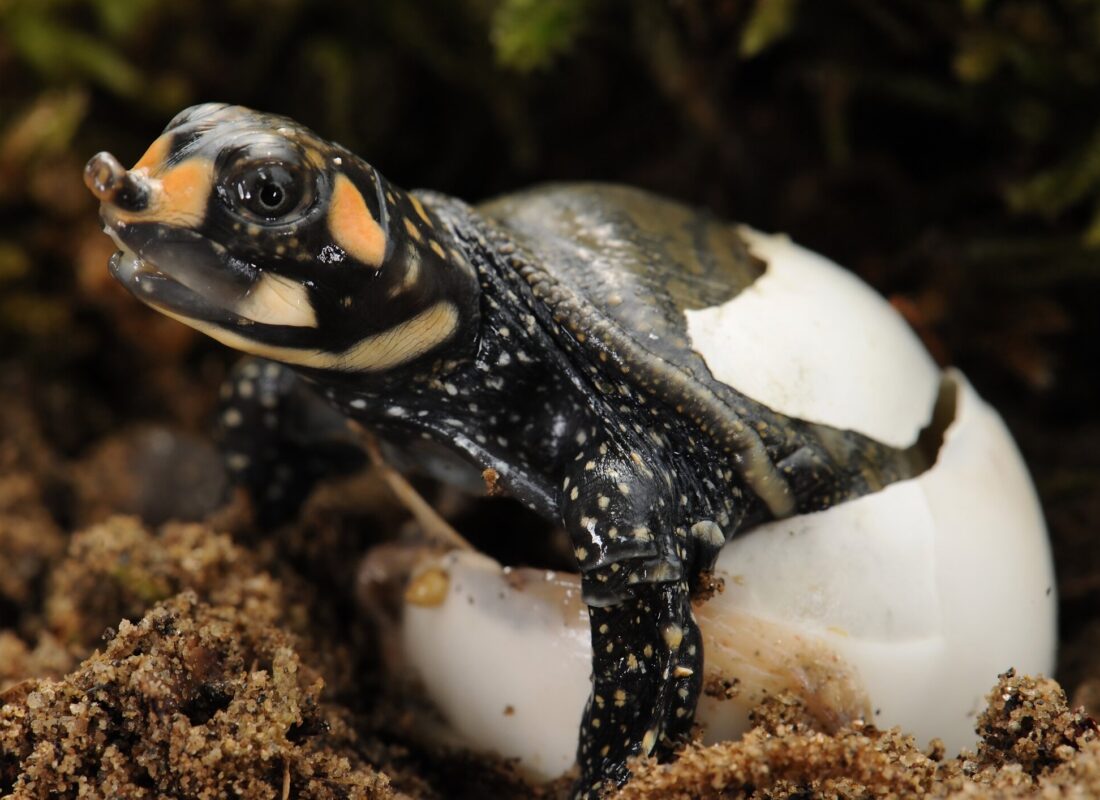
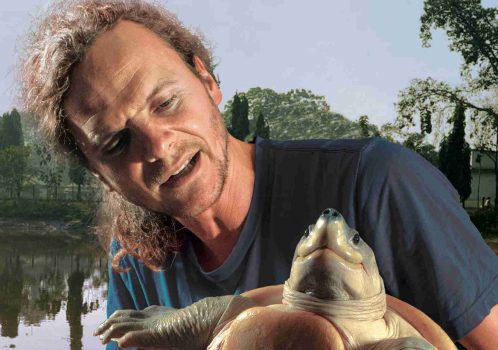
Four years at EarthX
Turtle Island has joined us at EarthX in Dallas four years in a row, bringing the story of the world’s rarest turtles to the world’s largest environmental expo. The team has been instrumental in the endangered species programs that Rotary and EarthX have built together, helping turn Rotary’s commitment to the environment into something visitors can see up close.
Thank you, EarthX
We are grateful to EarthX for sponsoring Endangered Species of the Week and for giving organizations like Turtle Island a global platform. Half EarthX, held on Half-Earth Day, is the right place to begin: a day dedicated to E.O. Wilson’s call to protect half the planet for nature.
The founder behind EarthX
None of this happens without Trammell S. Crow. A Dallas businessman and philanthropist, he founded EarthX in 2011 as Earth Day Texas and grew it into one of the largest environmental gatherings in the world, drawing more than 177,000 people to Dallas in 2019 alone.
His approach has always been to find common ground. He has said he wants EarthX to “bring the left and the right together in the name of the environment,” and he backs those words with action: co-founding Texas Business for Clean Air and Texans for Clean Water, serving on the board of the Center for Climate and Energy Solutions, and pledging to protect 250,000 acres of forest in Suriname. In 2019 he received the Ellis Island Medal of Honor.
For Rotary, his vision opened the door. EarthX gave the Rotary Xperience its stage in Dallas, and gave partners like Turtle Island a place to share their work with the world. We are deeply grateful.
 Visit earthx.org →
How this site is organized
Animals ignore borders. A jaguar or a sea turtle crosses a dozen countries, so a country list repeats the same species over and over. Continents give eight clean homes, with the open ocean treated as its own.
Eight tabs: Africa, Asia, Europe, North America, South America, Oceania, Antarctica and the Southern Ocean, and the Open Ocean for sea life.
Mammals, birds, reptiles, amphibians, fish, sea life, insects and plants. Pick one or see them all.
Type any country into search to see every species that lives there. Trusted organizations are listed by country.
Daily news feed
Loading the latest stories
Updated every morning from conservation news sources. Summaries are written in our own words; tap a headline to read the full story at its source.
On the cover
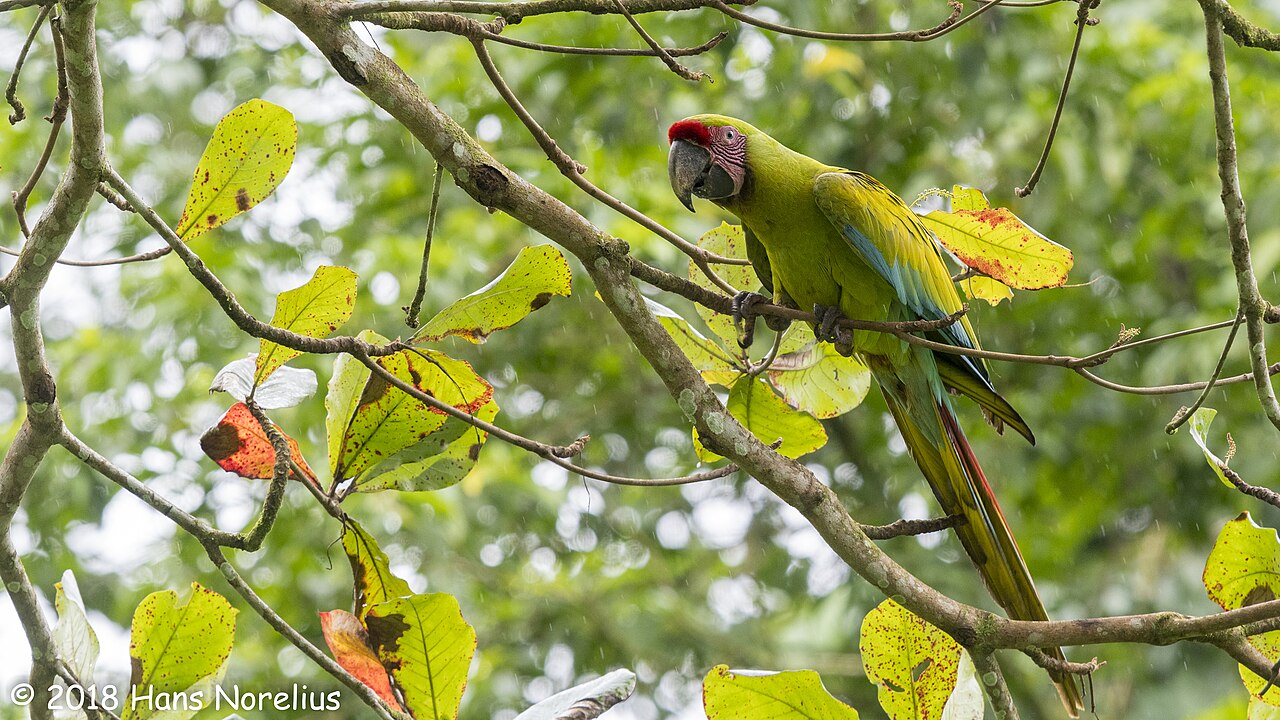 Great Green Macaw, Costa Rica. Photo: Hans Norelius, CC BY 2.0
TheMacawProject.org · Bocas del Toro, Panamá
The Macaw Project celebrates the world’s leading parrot and macaw conservation groups and puts its energy behind one bold 10 year goal: returning the Great Green Macaw (Ara ambiguus) to the Bocas del Toro Archipelago of Panamá by 2030.
Everything starts with one tree. The Mountain Almond, or almendro de montaña (Dipteryx panamensis), gives the macaw its nest cavities and its most important food. No almendros, no macaws. So since 2020, volunteers have been planting them across the islands, tree by tree.
Close to home · Newport Beach, California
The Double-crested Cormorant is the dark, long-necked diver you see standing on a piling with its wings spread wide to dry. It lives at Upper Newport Bay all year and is a living measure of the bay’s health: cormorants eat almost nothing but fish, so where cormorants thrive, fish thrive too.
Cormorants nest in colonies, building bulky stick nests in trees near or over the water, on cliffs, or on quiet islands. They need calm nesting spots close to good fishing, and a safe place to rest and dry off. Over time their droppings can kill the very trees they nest in, so a lasting colony needs space, patience and a plan for new nest sites.
Bringing them back means protecting the estuary that feeds them. That is exactly what the Newport Bay Conservancy has done for more than 50 years.
Newport Bay Conservancy protects and preserves Upper Newport Bay and its watershed through education, restoration, research and advocacy. Its volunteers staff the Muth Interpretive Center and lead kayak tours and nature walks.
The bay already has comeback stories. Endangered Ridgway’s Rails and California Least Terns nest here, and ospreys bred successfully again in 2006, more than 100 years after the last recorded nesting. The cormorant can be next.

Rotary in action
The Rotary Action Group for Endangered Species (RAGES) empowers the Rotary family worldwide to protect endangered species and restore their habitats. Its members support projects such as mangrove restoration in Samoa, native plant gardens for monarch and tiger butterflies, rhino protection in South Africa, orangutan and pygmy elephant rescue in Borneo, and veterinary scholarships that help save mountain gorillas. Membership is open to current and past members of the Rotary family age 18 and older, and there are no dues.
The group started with a simple worry, shared by a small circle of Rotarians who had seen wildlife rescue up close: that their grandchildren might only ever see these animals on video. Founded by John Glassford of the Rotary Club of Coolamon in New South Wales, Australia, RAGES set out to mobilize Rotarians and give the fight for endangered species a global Rotary voice, with a first focus on rhinos, elephants, mountain gorillas and orangutans.
RAGES is led today by Chair Dr Christopher Puttock. The group honors its late Executive Director, Terrell Ann Erickson.
Dr. Jane Goodall agreed to become patron of RAGES, and the group partnered with her Roots & Shoots youth program, starting in Kenya. Local projects are matched to nearby Rotary and Rotaract clubs through the RAGES Project Match system.
Rhino protection with the Chipembere Rhino Foundation against poaching.
Director Debbie Mair has worked with the Sabah Wildlife Rescue Unit on orphaned Bornean pygmy elephants, including a milk formula trial for elephant calves, and with the Orangutan Appeal UK.
Clubs and districts can sponsor kits of field equipment sent to rangers protecting rhinos, pygmy elephants and orangutans in South Africa, Borneo and Indonesia.
A high school challenge and a youth coloring competition bring endangered species into classrooms.
RAGES operates in accordance with Rotary International policy but is not an agency of, or controlled by, Rotary International.
Species directory
This directory features well known species chosen to show the full range of threatened life on every continent. The complete list of all 49,505 threatened species is kept by the IUCN at iucnredlist.org. Status codes follow the IUCN Red List; a note marks species listed under the US Endangered Species Act.
Glossary of trusted organizations
Established charities, scientific bodies and government agencies with long track records in species protection. Always give through an organization’s own website.
Gone forever
Each of these species is extinct. No zoo holds a breeding pair, no seed bank or lab can return the animal that once lived. They are the reason every page above matters.
| Species | Last seen | Where | What happened |
|---|
A note on “de-extinction”: labs are editing the genes of living relatives to create animals that resemble lost species. Those animals are new creations. The original species, its behavior, its wild population and the ecosystem it shaped, cannot be recovered. Protecting what is still alive is far cheaper and far more certain.
Take action
Support one trusted group from the glossary above, monthly if you can.
Native trees and plants feed wildlife, from almendros in Panamá to sage scrub at Newport Bay.
Skip exotic pets, shell, ivory and coral souvenirs. The trade empties forests and reefs.
Join a Rotary club, a RAGES project or a local conservancy restoring your own watershed.
And the fifth: share this page. People protect what they know.